Emergency Formwork Repair Mobile Solutions for Critical Project Continuity
In this article, we explore the importance of rapid formwork maintenance, the role of mobile repair services, and how these


In this article, we explore the importance of rapid formwork maintenance, the role of mobile repair services, and how these
The circular economy is an economic system aimed at eliminating waste and the continual use of resources. In construction, this means rethinking how we design, use, and dispose of building materials. Rather than following a linear path of “take, make, dispose,” the circular economy emphasizes the reuse, refurbishment, and recycling of materials to extend their lifecycle and reduce waste. Core Principles of the Circular Economy The circular economy is grounded in several core principles that revolutionize traditional construction practices. Firstly, it promotes designing for longevity, ensuring that materials and systems are built to last and can be easily repaired or upgraded. Secondly, it encourages a closed-loop system where materials are continuously cycled back into use, minimizing the need for new resources. Thirdly, it focuses on regenerative processes, aiming to restore and replenish natural systems and resources. Circular Economy vs. Linear Economy The traditional linear economy operates on a “take, make, dispose” model, where resources are extracted, used, and then discarded. In contrast, the circular economy reimagines this flow by emphasizing resource efficiency and minimizing waste. This paradigm shift not only reduces environmental impact but also presents economic opportunities by unlocking new value streams through the reuse and refurbishment of materials. Impact on Global Sustainability Goals The adoption of circular economy principles aligns with global sustainability goals, such as the United Nations Sustainable Development Goals (SDGs). Specifically, it supports responsible consumption and production (SDG 12) and climate action (SDG 13) by reducing the carbon footprint and resource intensity of construction activities. As more stakeholders in the construction industry embrace these principles, the collective impact on sustainability efforts will be substantial. The Role of Formwork in Construction Formwork is a temporary structure used to hold poured concrete in place while it sets. Traditionally, once the concrete has cured, the formwork is discarded. However, with the principles of the circular economy, we can extend the life of formwork systems through reuse and refurbishment. Types of Formwork Systems Formwork systems come in various forms, each catering to specific construction needs. Traditional timber formwork is often single-use, while steel and aluminum formwork systems are designed for multiple uses. Modular formwork systems provide flexibility and adaptability, allowing them to be configured for different project requirements. Understanding these types is crucial for selecting the right system for reuse and refurbishment. Advancements in Formwork Materials Recent advancements in materials have paved the way for more durable and sustainable formwork systems. Innovations such as fiber-reinforced polymers and lightweight composites offer enhanced strength and longevity, making them ideal for repeated use. These materials not only reduce the overall weight of the formwork but also improve ease of handling and installation, contributing to efficiency on-site. Challenges in Traditional Formwork Disposal Disposing of traditional formwork poses significant environmental challenges. Timber formwork, for instance, often ends up in landfills, contributing to deforestation and waste. The extraction and production of new formwork materials consume energy and resources, exacerbating environmental impact. Transitioning to reusable systems mitigates these issues by reducing the demand for virgin materials and minimizing waste generation. Benefits of Reusable Formwork Systems Reusable formwork systems are designed to be used multiple times. They offer several advantages over traditional, single-use formwork, including: Cost Efficiency and Long-Term Savings While the initial investment in reusable formwork may be higher, it becomes more cost-effective over time as it is used on multiple projects. The repeated use of these systems reduces the need for new formwork purchases, resulting in significant cost savings across project lifecycles. Additionally, the durability of reusable formwork minimizes maintenance and replacement costs. Enhanced Material Efficiency
The construction industry is on the brink of a technological revolution. With advancements in robotics and automation, construction sites are
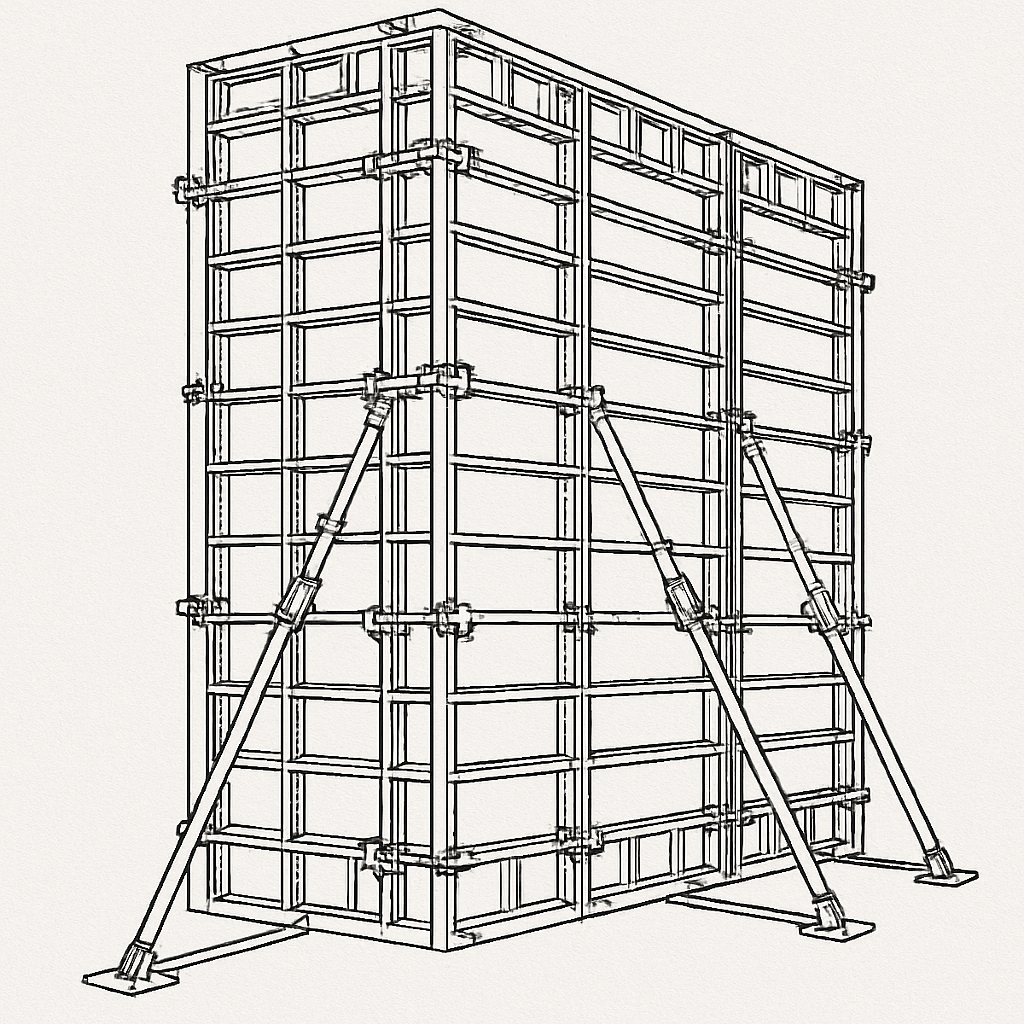
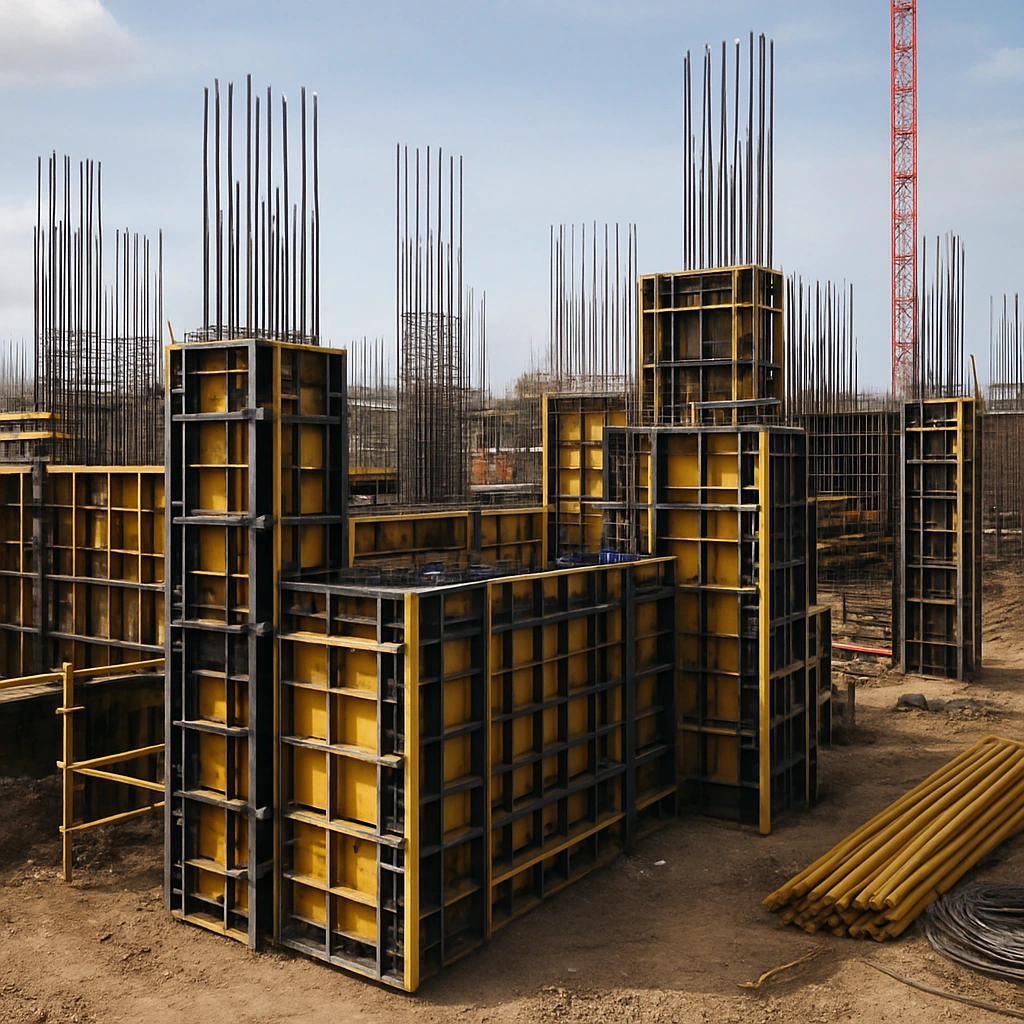
Formwork refers to the temporary or permanent molds used to hold wet concrete in place until it hardens and achieves the desired shape. It is a crucial aspect of concrete construction, as it directly affects the final surface quality and structural integrity of the project. The design and materials used in formwork can significantly influence the construction process and the quality of the final output. With the right formwork, even the most complex structures can be achieved with precision and efficiency. The Importance of Quality Formwork Quality formwork systems are essential for achieving superior concrete surface quality. They ensure that the concrete sets correctly, reducing the likelihood of defects such as cracks or uneven surfaces. High-quality formwork also supports efficient construction processes, contributing to overall construction cost reduction. Moreover, quality formwork systems are often designed to be user-friendly, which minimizes the risk of installation errors and further enhances the reliability of the concrete finish. Investing in quality formwork is not merely about immediate gains but also about ensuring long-term durability and stability of the constructed structures. Benefits of Quality Formwork in Concrete Finishing Enhanced Construction Efficiency Using quality formwork systems enhances construction efficiency. With precise molds and reliable materials, workers can pour concrete with confidence, knowing it will set properly. This reduces the time spent on adjustments and corrections, allowing the project to proceed smoothly and swiftly. Furthermore, efficient formwork systems are often designed for rapid assembly and disassembly, which can significantly shorten the construction timeline. The streamlined processes enabled by quality formwork not only boost productivity but also improve worker safety by reducing the likelihood of on-site accidents. Cost Savings Through Reduced Rework Rework is one of the largest contributors to increased construction costs. When concrete finishing is compromised due to poor formwork, it often requires additional labor and materials to rectify the issue. By investing in quality formwork upfront, construction teams can avoid these costly setbacks and ensure a smoother workflow. Additionally, the initial investment in high-quality formwork is often offset by the reduction in waste materials and the need for fewer corrective measures. This not only leads to financial savings but also aligns with sustainable construction practices by minimizing environmental impact. Prevention of Project Delays Project delays can have a domino effect, impacting schedules and budgets. Quality formwork prevents such delays by ensuring that each phase of concrete setting proceeds as planned. With fewer interruptions, construction teams can adhere more closely to their timelines, delivering projects on schedule. Timely project completion also enhances client satisfaction and can lead to more business opportunities through positive word-of-mouth. Furthermore, a reputation for completing projects on time can establish a construction firm as a reliable partner, attracting new clients and fostering long-term relationships. Cost-Effective Strategies for Concrete Finishing Investing in Quality Formwork Systems While it might seem counterintuitive, spending more on high-quality formwork can lead to significant cost savings in the long run. Quality systems are durable and reusable, providing a better return on investment over the course of multiple projects. This durability means that formwork can withstand harsh conditions and repeated use without compromising performance. Additionally, the adaptability of quality formwork systems allows them to be customized for different projects, reducing the need for additional investments and enhancing their overall utility. Implementing Efficient Construction Practices Construction efficiency is not just about the materials used but also the methods employed. Training workers on best practices for using formwork can enhance productivity and ensure high-quality finishes. This not only improves the immediate project outcomes but also contributes to long-term cost savings. By fostering a culture of continuous improvement and skill development, construction firms can maintain a competitive edge and ensure consistent quality across all projects. Moreover, efficient practices contribute to a safer work environment, reducing the likelihood of accidents and associated costs. Optimizing Formwork ROI To optimize the return on investment in formwork, construction managers should focus on selecting systems that offer durability and adaptability. These attributes ensure that the formwork can be used across various projects, reducing the need for frequent replacements and contributing to construction budget management. Additionally, integrating technology such as Building Information Modeling (BIM) with formwork planning can enhance precision and efficiency, leading to better resource allocation and minimized waste. By strategically planning formwork investments, construction managers can maximize both financial returns and project quality. Achieving Quality Concrete Finishes The Role of Skilled Labor Skilled labor plays a significant role in achieving cost-effective concrete finishes. Experienced workers are adept at setting up formwork correctly and efficiently, ensuring that the finished concrete surfaces meet the desired quality standards. Their expertise is invaluable in troubleshooting potential issues early and adapting to on-site challenges. Moreover, skilled laborers bring a wealth of knowledge that can be leveraged to optimize construction processes and innovate solutions that enhance project outcomes. Investing in workforce training and development can, therefore, have a profound impact on the quality of concrete finishes and overall project success.

Digital Twin Technology refers to the digital representation of a physical entity or system. In the context of construction, it involves creating a virtual model of a construction project that mirrors the physical site. This model is continuously updated with data from the real world, allowing for real-time monitoring and adjustments. Definition and Core Principles Digital twins are essentially a digital replica of a physical asset, process, or system. The core principle revolves around the bidirectional flow of data, where the physical and digital entities are synchronized. This synchronization allows for real-time insights and optimizations, providing a dynamic and interactive platform for managing complex construction processes. Historical Evolution and Adoption The concept of digital twins dates back to the early 2000s and has evolved significantly with advancements in computing power and data analytics. Initially used in aerospace and manufacturing, digital twins have now found a strong foothold in construction. The growing adoption is driven by the need for enhanced project management, resource efficiency, and the demand for sustainable construction practices. Technological Components The technological backbone of digital twins includes IoT sensors, data analytics platforms, and cloud computing. IoT devices collect real-time data from construction sites, which is then processed and analyzed using sophisticated algorithms. Cloud computing facilitates the storage, processing, and visualization of data, making it accessible to stakeholders anytime, anywhere. The Role of Digital Twins in Construction The integration of digital twins into construction offers numerous benefits. It enables predictive construction analytics, allowing stakeholders to anticipate potential issues before they arise. Moreover, it supports real-time construction monitoring, ensuring that projects stay on track and within budget. Enhancing Project Lifecycle Management Digital twins play a pivotal role in managing the entire lifecycle of a construction project, from design and development to operation and maintenance. By providing a comprehensive overview, they help in making informed decisions at every stage, ensuring that projects are delivered on time and within budget. Facilitating Collaborative Workflows One of the key advantages of digital twins is their ability to facilitate collaboration among various stakeholders. Architects, engineers, contractors, and clients can all access the digital twin, ensuring that everyone is aligned and working towards the same objectives. This collaborative approach reduces misunderstandings and improves overall project outcomes. Enabling Sustainable Construction Practices Digital twins contribute significantly to sustainable construction by optimizing resource usage and reducing waste. By simulating different scenarios, they help in identifying the most efficient construction methods, materials, and technologies, thereby minimizing environmental impact and promoting sustainability. Virtual Construction Planning One of the primary applications of Digital Twin Technology is in virtual construction planning. This process involves creating detailed virtual models of construction projects before breaking ground. These models help in visualizing the construction process, identifying potential challenges, and planning accordingly. Detailed Virtual Modeling Techniques Virtual construction planning utilizes advanced modeling techniques to create detailed and accurate representations of construction projects. These models incorporate architectural designs, structural components, and even environmental factors, providing a holistic view of the project. This level of detail helps in pinpointing potential issues early on. Overcoming Construction Challenges

The construction industry is undergoing a transformative shift towards sustainability, driven by the need to reduce carbon emissions and environmental impact. Sustainable formwork solutions have emerged as a pivotal element in this transformation. They not only address waste reduction but also offer innovative ways to minimize the carbon footprint of construction projects. This article delves into the expanding realm of sustainable formwork, exploring its role, benefits, and integration into broader environmental construction practices. Understanding Sustainable Formwork The concept of formwork has long been integral to construction, serving as the molds into which concrete is poured. However, traditional materials like timber and plywood often lead to excessive waste and environmental degradation. Sustainable formwork seeks to reinvent this process through the use of eco-friendly materials and practices. The Evolution of Formwork Materials The journey from traditional to sustainable formwork involves a significant shift in materials. While timber and plywood have been staples due to their availability and ease of use, they contribute to deforestation and high waste levels. Modern sustainable formwork materials include recycled plastics, metal, and innovative biocomposites, each offering unique advantages in terms of durability, reusability, and reduced environmental impact. These materials are not only more sustainable but also often more durable, reducing the need for frequent replacements. Innovations in Formwork Design Beyond materials, sustainable formwork also encompasses innovations in design. Modular and prefabricated formwork systems have revolutionized the industry by allowing for quicker assembly and disassembly. These systems are designed to be reused across multiple projects, thereby significantly reducing waste. Additionally, advancements in digital modeling and 3D printing have enabled more precise and efficient formwork designs, further minimizing material use and waste. Impact on Construction Efficiency The adoption of sustainable formwork can lead to substantial improvements in construction efficiency. Reusable formwork reduces the time and labor required for setup and takedown, accelerating project timelines. This efficiency not only translates to cost savings but also minimizes the environmental footprint by reducing energy use and emissions associated with prolonged construction activities. Moreover, the precision of modern formwork systems often results in higher quality finishes, reducing the need for additional materials or corrections. Benefits of Eco-Friendly Formwork Systems Eco-friendly formwork systems bring a myriad of benefits, transforming the traditional construction landscape into a more sustainable one. These systems align with broader sustainability goals and offer tangible advantages in terms of environmental impact, cost, and safety. Environmental Advantages The most immediate benefit of eco-friendly formwork is the reduction in waste. By employing materials that can be reused multiple times, construction projects can significantly cut down on the amount of debris sent to landfills. Additionally, these systems often utilize materials with lower embodied energy, thus reducing the overall carbon footprint of the project. This shift contributes to a cleaner, more sustainable construction industry that prioritizes the health of the planet. Economic Implications While the upfront costs of eco-friendly formwork can be higher, the long-term economic benefits are substantial. The durability and reusability of these systems mean that they require less frequent replacement, resulting in lower ongoing costs. Furthermore, as sustainability becomes a key differentiator in the construction industry, projects that utilize eco-friendly formwork may be eligible for green certifications and incentives, providing further financial benefits. Enhancing Safety Standards Safety is another crucial aspect where eco-friendly formwork systems excel. Many of these systems are designed with enhanced safety features that reduce the risk of on-site accidents. This includes better stability, easier handling, and reduced weight compared to traditional materials. By improving safety conditions, construction sites not only protect their workers but also avoid costly delays and liabilities associated with workplace injuries. Environmental Construction Practices Sustainable formwork is a vital component of a larger framework of environmental construction practices aimed at reducing the carbon footprint and promoting eco-friendliness in the industry. These practices are interconnected and often work synergistically to achieve greater sustainability outcomes. Integrating Renewable Energy
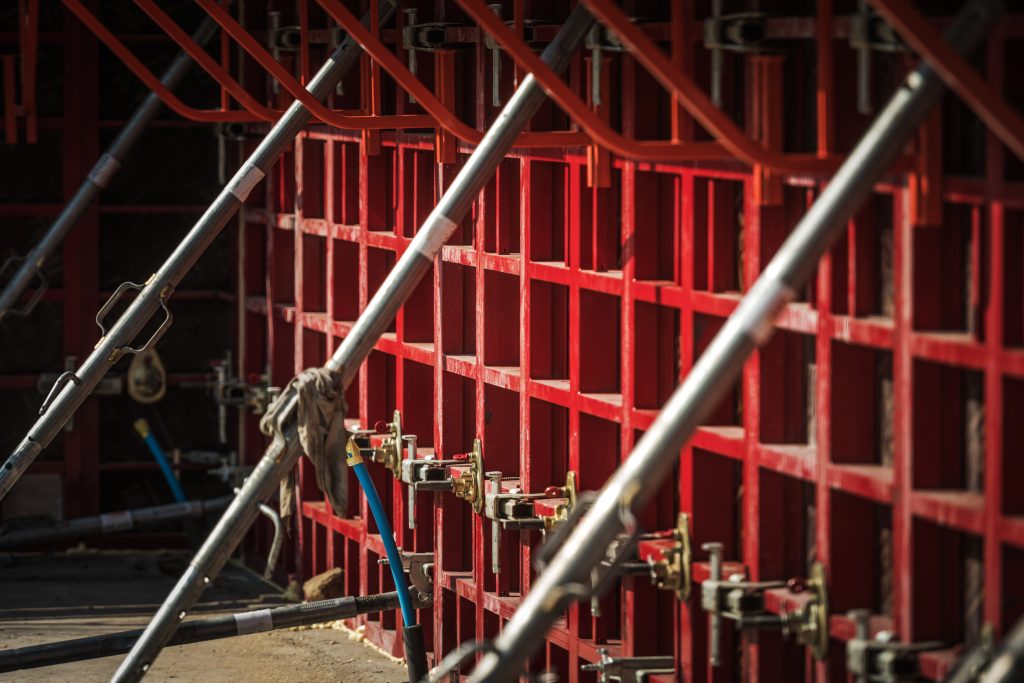
Meeting the Demands of Fast-Track Construction Projects The versatility of modular formwork systems allows them to be used in a wide range of construction applications, from residential buildings to large-scale infrastructure projects. As construction professionals strive to meet tighter deadlines, the adoption of these systems is becoming more widespread. This trend is driven by the need to optimize resources and reduce project duration without compromising on quality or safety. By understanding the intricacies of modular formwork, stakeholders in the construction industry can gain a competitive edge in delivering projects efficiently. Modular formwork systems are a modern approach to concrete formwork. They consist of standardized formwork panels that can be easily assembled and disassembled. These systems offer flexibility and efficiency, which are essential for meeting tight deadlines in construction projects. The modularity of these systems allows for customization to fit specific project requirements, making them a versatile solution for a variety of construction challenges. What is Concrete Formwork? Concrete formwork is a temporary or permanent mold used to hold and shape poured concrete until it hardens. Traditional formwork methods often involve wooden or metal structures that are custom-built for each project. While effective, these methods can be time-consuming and labor-intensive. This traditional approach often leads to increased costs and extended project timelines, which are significant drawbacks in fast-paced environments. The evolution from traditional to modular formwork represents a shift towards more sustainable and efficient building practices. Modular systems reduce the dependency on bespoke solutions, thereby minimizing waste and lowering the environmental impact. Moreover, they offer a streamlined approach that enhances the overall productivity of construction teams, allowing them to focus on other critical aspects of the project. The Rise of Modular Building Systems Modular building systems have gained popularity due to their ability to streamline the construction process. By using prefabricated components, construction teams can reduce the time spent on-site, minimize waste, and ensure consistent quality across projects. This shift is not just about faster construction times; it’s about optimizing the entire process from planning to execution. The rise of modular systems is part of a broader trend towards industrialization in construction. As the industry grapples with labor shortages and increased demand, modular construction offers a viable solution by maximizing efficiency and reducing the dependency on on-site skilled labor. Furthermore, the precision and quality control associated with prefabricated elements enhance the durability and aesthetic appeal of the final structures. Benefits of Modular Formwork Systems Modular formwork systems offer several advantages over traditional formwork methods, making them ideal for fast-track construction projects. These benefits extend beyond mere time savings, offering improvements in cost management, safety, and project quality, which collectively contribute to more successful project outcomes. Speed and Efficiency One of the most significant benefits of modular formwork systems is their ability to speed up the construction process. The standardized panels allow for quick assembly and disassembly, reducing the time required for formwork setup and removal. This efficiency translates to shorter project timelines and reduced labor costs. The rapid turnover enabled by modular systems means that construction teams can move swiftly from one phase to the next, keeping the project on schedule. In addition to saving time, modular formwork enhances the predictability of project timelines. The reduced variability in assembly and disassembly times allows project managers to plan more accurately, reducing the risk of delays. This reliability is especially beneficial in large-scale projects where time is a critical factor, ensuring that milestones are met and resources are allocated efficiently. Cost-Effectiveness Modular formwork systems can lead to significant cost savings. The reusability of the panels means that they can be used for multiple projects, reducing the need for new materials. Additionally, the speed and efficiency of modular systems can lower labor costs and improve overall project profitability. The initial investment in a modular formwork system is quickly offset by the savings in material costs and reduced labor hours. Furthermore, modular systems minimize waste, contributing to cost savings and environmental sustainability. By reducing the need for custom-built forms, there is less material waste, and the reusability of components means fewer resources are consumed over the life of the formwork. These cost benefits make modular formwork an attractive option for both small and large-scale construction projects. Improved Quality and Safety The use of standardized panels ensures consistent quality across the entire construction project. This consistency reduces the likelihood of defects and enhances the structural integrity of the finished building. Furthermore, modular formwork systems often come with built-in safety features, such as secure locking mechanisms and stable support structures, reducing the risk of accidents on-site. The focus on safety not only protects workers but also contributes to the longevity and resilience of the constructed structures. The precision and uniformity inherent in modular systems also enhance the aesthetic quality of the finished product. With fewer imperfections and a more consistent finish, these systems contribute to the visual appeal and marketability of the final construction. The integration of safety features further emphasizes the comprehensive benefits of adopting modular formwork, making it a prudent choice for any construction project.
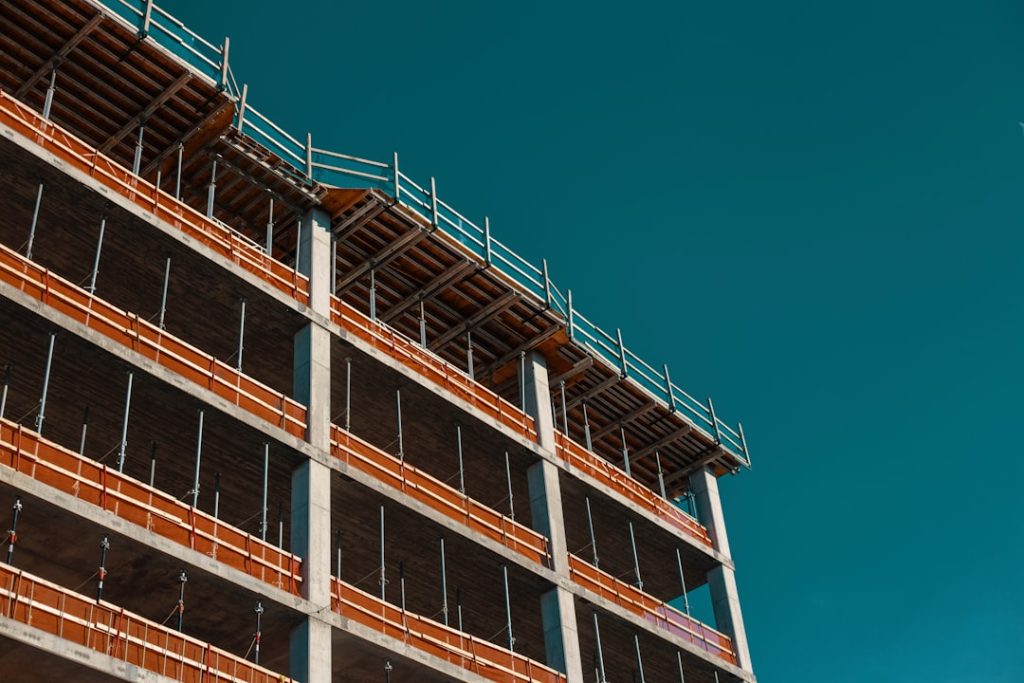
How Refurbished Formwork Systems Maximize Crew Efficiency The shortage of skilled construction workers is a multifaceted issue influenced by an array of factors. One significant factor is the retirement of seasoned professionals, which creates a gap that fewer young workers are stepping forward to fill. This generational shift is compounded by the perception of construction work as being labor-intensive and less appealing compared to other career paths that may offer more comfort or prestige. The rapid pace of technological advancements also plays a role, as it demands skills that are not yet prevalent among the existing workforce, creating a skills gap that is challenging to bridge. This labor shortage poses substantial challenges for construction companies, including elongated project timelines, increased labor costs, and difficulties in maintaining high standards of quality and safety. These challenges necessitate innovative solutions to optimize the current workforce and boost productivity. Companies are now compelled to explore novel approaches to workforce management, such as leveraging technology and adopting new materials and methods, to stay competitive in a rapidly changing industry. The Role of Refurbished Formwork Systems Refurbished formwork systems present a viable solution to the challenges brought about by the construction labor shortage. Formwork, which provides temporary molds for concrete placement, is a critical component of any construction project. Utilizing refurbished systems allows companies to enhance efficiency, reduce labor costs, and ensure high-quality outcomes. These systems are not only cost-effective but also contribute to more sustainable construction practices, making them an attractive option for companies looking to balance financial and environmental considerations. Benefits of Refurbished Formwork Systems How Refurbished Formwork Systems Maximize Crew Efficiency Overcoming Construction Staffing Challenges The use of refurbished formwork systems can significantly alleviate the staffing challenges faced by the construction industry. By maximizing crew productivity and optimizing labor costs, companies can improve their competitive edge in a tight labor market. This competitive edge is crucial as companies vie for increasingly scarce skilled labor and aim to deliver projects on time and within budget. Strategies for Implementing Refurbished Formwork Systems Real-World Examples and Success Stories Several construction companies have successfully addressed labor shortages by adopting refurbished formwork systems. For instance, a major construction firm in the Midwest reported a 20% reduction in project timelines after implementing these systems, leading to significant cost savings and increased client satisfaction. This success underscores the potential of refurbished formwork systems to transform project execution and deliver tangible benefits. Another success story involves a large-scale infrastructure project in California, where the use of refurbished formwork systems allowed for efficient use of a smaller workforce, resulting in a 15% increase in labor productivity. These examples highlight the effectiveness of refurbished formwork systems in enhancing efficiency and meeting project goals despite labor constraints.
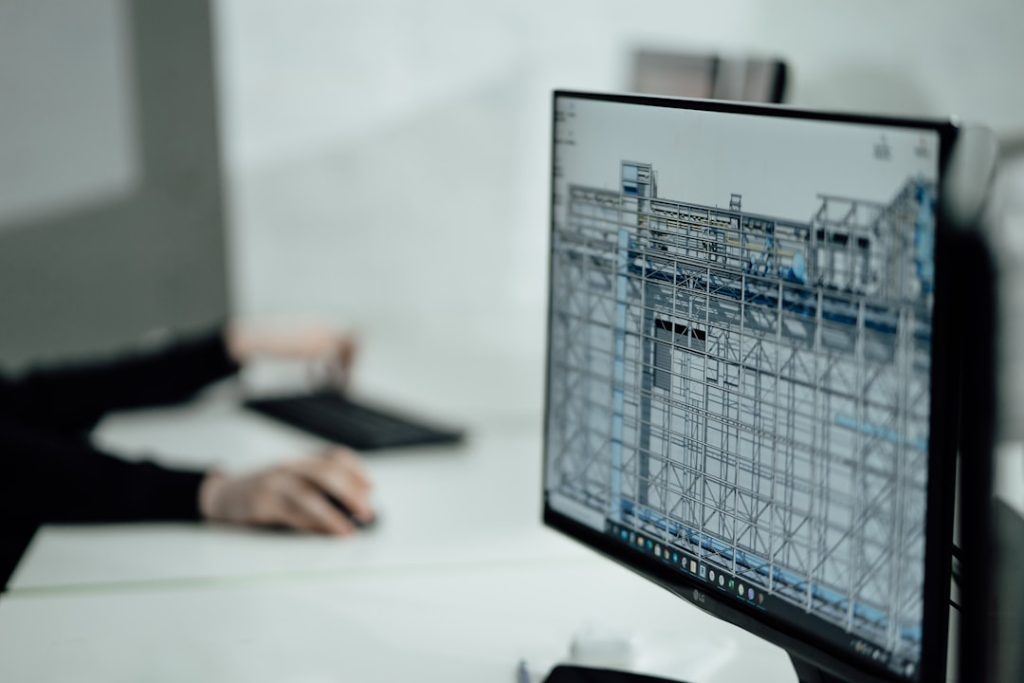
Streamlining Design-to-Construction Workflows BIM, or Building Information Modeling, is a digital representation of the physical and functional characteristics of a facility. It is a shared knowledge resource for information about a facility, forming a reliable basis for decisions during its lifecycle, from earliest conception to demolition. In essence, BIM integrates multiple aspects of a construction project into a single cohesive model. The Comprehensive Nature of BIM BIM is not just a 3D model; it encompasses the geometry, spatial relationships, geographic information, and quantities and properties of building components. This comprehensive nature allows for a holistic view of the project, enabling better decision-making. By providing an accurate digital representation, BIM serves as a bridge between design and construction, ensuring that all elements align with the project vision. Lifecycle Management with BIM One of the core strengths of BIM is its ability to support lifecycle management. From the initial design phase through to construction, operation, and even demolition, BIM provides a consistent framework. This continuity ensures that decisions made in the early stages are informed by long-term considerations, such as maintenance and sustainability. The ability to track and manage every stage of the building’s lifecycle is invaluable for maintaining quality and performance. BIM as a Collaborative Platform At its heart, BIM is a collaborative tool. It allows architects, engineers, contractors, and even stakeholders to work from the same set of data. This unified approach reduces misunderstandings and miscommunications, leading to a more efficient process. By fostering collaboration, BIM helps to break down silos that traditionally exist in construction projects, leading to more cohesive and integrated project teams. The Role of BIM in Construction Planning In traditional construction planning, different teams often work in silos, leading to communication breakdowns and costly errors. BIM solves this problem by providing a collaborative platform where architects, engineers, and contractors can work together seamlessly. This integration facilitates better planning, coordination, and execution, reducing the risk of delays and budget overruns. Seamless Integration Across Disciplines BIM’s ability to integrate various disciplines is a significant advantage. By creating a single source of truth, BIM ensures that everyone is working with the most current data. This eliminates discrepancies that can arise from outdated or incorrect information. The seamless integration across disciplines leads to more accurate planning and coordination, reducing the risk of rework and delays. Real-Time Data and Decision Making One of the most powerful aspects of BIM is the ability to access real-time data. This feature allows project teams to make informed decisions quickly, adapting to changes as they occur. With real-time data, teams can assess the impact of decisions on the overall project, ensuring that they align with the budget and timeline. This agility is crucial in a fast-paced industry where time is money. Enhanced Visualization and Planning BIM enhances visualization, allowing project teams to see a detailed representation of the final product before construction begins. This capability is particularly useful for identifying potential issues and conflicts early in the process. Enhanced visualization leads to better planning and more accurate execution, ultimately resulting in a higher quality finished product. By seeing the project in its entirety, stakeholders can provide valuable input, ensuring that the design meets expectations. Formwork Planning and BIM Integration Formwork is a critical component in concrete construction, providing the mold for concrete until it gains enough strength to support itself. Effective formwork planning ensures that structures are built safely, efficiently, and to the desired specifications. With BIM integration, formwork planning becomes more precise and efficient. Precision in Formwork Design
In the world of construction, safety is paramount. With the complexities and inherent risks involved, ensuring the safety of every