
Streamlining Design-to-Construction Workflows
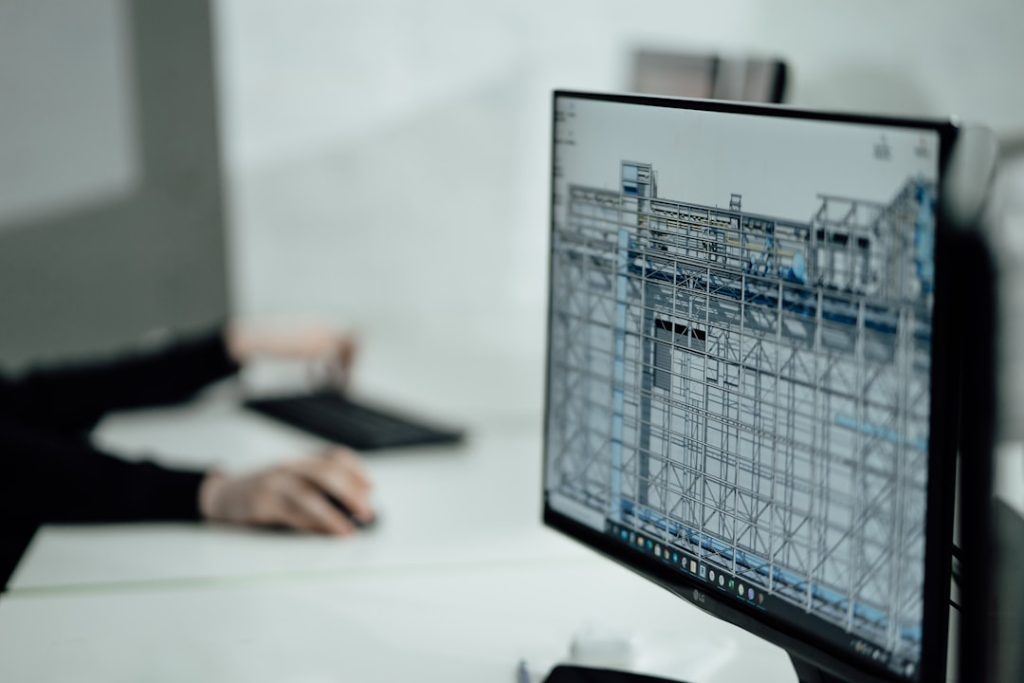
BIM, or Building Information Modeling, is a digital representation of the physical and functional characteristics of a facility. It is a shared knowledge resource for information about a facility, forming a reliable basis for decisions during its lifecycle, from earliest conception to demolition. In essence, BIM integrates multiple aspects of a construction project into a single cohesive model.
The Comprehensive Nature of BIM
BIM is not just a 3D model; it encompasses the geometry, spatial relationships, geographic information, and quantities and properties of building components. This comprehensive nature allows for a holistic view of the project, enabling better decision-making. By providing an accurate digital representation, BIM serves as a bridge between design and construction, ensuring that all elements align with the project vision.
Lifecycle Management with BIM
One of the core strengths of BIM is its ability to support lifecycle management. From the initial design phase through to construction, operation, and even demolition, BIM provides a consistent framework. This continuity ensures that decisions made in the early stages are informed by long-term considerations, such as maintenance and sustainability. The ability to track and manage every stage of the building’s lifecycle is invaluable for maintaining quality and performance.
BIM as a Collaborative Platform
At its heart, BIM is a collaborative tool. It allows architects, engineers, contractors, and even stakeholders to work from the same set of data. This unified approach reduces misunderstandings and miscommunications, leading to a more efficient process. By fostering collaboration, BIM helps to break down silos that traditionally exist in construction projects, leading to more cohesive and integrated project teams.
The Role of BIM in Construction Planning

In traditional construction planning, different teams often work in silos, leading to communication breakdowns and costly errors. BIM solves this problem by providing a collaborative platform where architects, engineers, and contractors can work together seamlessly. This integration facilitates better planning, coordination, and execution, reducing the risk of delays and budget overruns.
Seamless Integration Across Disciplines
BIM’s ability to integrate various disciplines is a significant advantage. By creating a single source of truth, BIM ensures that everyone is working with the most current data. This eliminates discrepancies that can arise from outdated or incorrect information. The seamless integration across disciplines leads to more accurate planning and coordination, reducing the risk of rework and delays.
Real-Time Data and Decision Making
One of the most powerful aspects of BIM is the ability to access real-time data. This feature allows project teams to make informed decisions quickly, adapting to changes as they occur. With real-time data, teams can assess the impact of decisions on the overall project, ensuring that they align with the budget and timeline. This agility is crucial in a fast-paced industry where time is money.
Enhanced Visualization and Planning
BIM enhances visualization, allowing project teams to see a detailed representation of the final product before construction begins. This capability is particularly useful for identifying potential issues and conflicts early in the process. Enhanced visualization leads to better planning and more accurate execution, ultimately resulting in a higher quality finished product. By seeing the project in its entirety, stakeholders can provide valuable input, ensuring that the design meets expectations.
Formwork Planning and BIM Integration
Formwork is a critical component in concrete construction, providing the mold for concrete until it gains enough strength to support itself. Effective formwork planning ensures that structures are built safely, efficiently, and to the desired specifications. With BIM integration, formwork planning becomes more precise and efficient.
Precision in Formwork Design
BIM allows for the creation of highly detailed formwork models. These models provide precise measurements and specifications, reducing the likelihood of errors during construction. The precision offered by BIM ensures that formwork designs meet the exact requirements of the project, leading to safer and more efficient construction processes.
Optimizing Formwork Efficiency
Efficiency is a key concern in formwork planning, and BIM addresses this by enabling the optimization of formwork layouts and materials. By analyzing different configurations and scenarios, BIM helps teams identify the most efficient use of resources. This optimization not only reduces material waste but also cuts down on labor costs, leading to significant savings.
Safety Enhancements Through BIM
Safety is paramount in any construction project, and BIM enhances safety by providing detailed visualizations of formwork designs. These visualizations help identify potential hazards and allow for the implementation of safety measures early in the planning stage. By addressing safety concerns before construction begins, BIM contributes to a safer work environment and reduces the risk of accidents.
Benefits of BIM for Formwork Planning

- 3D Formwork Modeling: BIM allows for detailed 3D modeling of formwork, providing a clear visual representation of the construction process. This helps in identifying potential issues early and making necessary adjustments before construction begins.
- Formwork Design Automation: With BIM, repetitive and time-consuming tasks in formwork design can be automated. This not only speeds up the process but also reduces the potential for human error.
- 4D Construction Scheduling: BIM incorporates time-related information into the 3D models, creating a 4D model that links construction activities to the project timeline. This helps in optimizing the schedule and ensuring timely project completion.
Advanced 3D Visualization
Advanced 3D visualization in BIM allows teams to see how formwork fits into the larger project context. By providing a virtual walkthrough, stakeholders can assess the formwork design from all angles, ensuring that it meets the project’s functional and aesthetic requirements. This capability allows for early detection and resolution of design conflicts, minimizing costly changes during construction.
Automating Repetitive Tasks
Automation is one of the standout benefits of BIM in formwork planning. By automating repetitive tasks, such as generating drawings and calculations, BIM frees up valuable time for project teams. This automation reduces the potential for human error and ensures consistency across the project. The ability to automate tasks leads to faster project delivery and improved efficiency.
Dynamic Scheduling and Resource Management
With BIM’s 4D capabilities, construction teams can dynamically link formwork activities to the overall project schedule. This dynamic scheduling allows for better resource management, ensuring that all necessary materials and labor are available when needed. By optimizing the construction timeline, BIM helps to avoid delays and maintain project momentum, leading to timely completion.
BIM Coordination in Construction
BIM coordination ensures that all elements of the construction project are in sync, preventing clashes and misalignments. This is crucial in formwork planning, where precision is key.
Synchronizing Project Teams
BIM serves as a central hub for all project information, synchronizing the efforts of different teams. This synchronization ensures that all parties are working towards the same goals, with access to the same data. By fostering a shared understanding, BIM coordination reduces the risk of misunderstandings and misalignments that can lead to costly rework.
Detecting and Resolving Clashes
Clash detection is a critical feature of BIM, allowing teams to identify and resolve conflicts before they impact the project. By detecting clashes early, teams can address issues proactively, avoiding disruptions during construction. This proactive approach saves time and resources, ensuring that the project stays on track.
Improving Communication and Collaboration
Effective communication is essential for successful construction projects, and BIM enhances communication by providing a single source of truth. All project stakeholders can access up-to-date information, reducing the likelihood of miscommunications. By improving communication and collaboration, BIM helps to align project teams and stakeholders, leading to better outcomes.
BIM Clash Detection
BIM software includes clash detection tools that automatically identify conflicts between different components of the model. This is particularly useful in complex projects where multiple systems and structures intersect. Early detection of clashes allows teams to resolve issues before construction begins, saving time and money.
Automated Conflict Identification
BIM’s clash detection tools automatically scan the model for conflicts, identifying areas where different components intersect. This automated process ensures that no potential issues are overlooked, providing a comprehensive assessment of the project’s constructability. By identifying conflicts early, teams can make necessary adjustments before they become costly problems.
Streamlining Issue Resolution
Once clashes are identified, BIM facilitates the resolution process by providing detailed information about each conflict. Teams can assess the impact of each clash and develop solutions that minimize disruption. The streamlined issue resolution process helps to maintain project momentum, ensuring that construction proceeds smoothly.
Reducing Construction Delays
By resolving clashes before construction begins, BIM helps to avoid delays that can arise from on-site conflicts. The early identification and resolution of issues ensure that the project stays on schedule, reducing the risk of costly overruns. This proactive approach to clash detection is a key factor in BIM’s ability to enhance construction efficiency.
BIM Formwork Integration
Integrating BIM with formwork planning allows for better visualization and coordination, ensuring that all elements fit together perfectly. This integration simplifies the construction process, reduces waste, and improves overall project quality.
Enhanced Design Precision
BIM’s integration with formwork planning enhances design precision by providing detailed models that ensure all elements fit together seamlessly. This precision reduces the likelihood of errors and misalignments during construction, leading to a higher quality final product. By ensuring that designs are executed accurately, BIM contributes to the project’s overall success.
Streamlining Workflow Processes
The integration of BIM with formwork planning streamlines workflow processes by providing a clear roadmap for construction. Teams can follow the detailed models to guide their work, reducing the need for on-the-fly adjustments. This streamlined workflow minimizes disruptions and ensures that the construction process is as efficient as possible.
Minimizing Material Waste
BIM’s precise modeling capabilities help to minimize material waste by providing accurate measurements and specifications. By reducing the need for excess materials, BIM contributes to a more sustainable construction process. This reduction in waste not only benefits the environment but also leads to cost savings for the project.
Digital Construction Planning and Execution
Digital construction planning, powered by BIM, provides a comprehensive approach to project management. By digitizing the planning and execution phases, construction teams can achieve greater accuracy and efficiency.
Comprehensive Project Modeling
BIM enables comprehensive project modeling, creating a digital representation that serves as a roadmap for construction. This model includes all aspects of the project, from design to materials to timelines, ensuring that everyone is on the same page. The comprehensive nature of BIM models ensures that all project elements are considered, leading to more informed decision-making.
Data-Driven Project Management
The data-driven approach of BIM enhances project management by providing real-time insights and analytics. Project teams can access up-to-date information on costs, schedules, and resources, allowing for more effective management. This data-driven approach ensures that projects are executed efficiently, with a focus on meeting quality and budgetary goals.
Continuous Improvement and Feedback
BIM facilitates continuous improvement by providing a platform for capturing feedback and lessons learned. Teams can analyze project data to identify areas for improvement, leading to better practices and processes. This focus on continuous improvement ensures that each project builds on the success of previous ones, driving innovation in the construction industry.
BIM Project Planning
BIM project planning involves creating a detailed digital model of the project, which serves as a roadmap for construction. This model includes all aspects of the project, from design to materials to timelines, ensuring that everyone is on the same page.
Developing Detailed Roadmaps
In BIM project planning, detailed digital roadmaps are developed to guide every stage of construction. These roadmaps include comprehensive data on the project’s design, materials, and timelines. By providing a clear path forward, BIM roadmaps help to align teams and ensure that everyone is working towards the same objectives.
Coordinating Multidisciplinary Teams
BIM project planning supports the coordination of multidisciplinary teams by providing a central platform for collaboration. By aligning the efforts of different teams, BIM ensures that all project elements are integrated seamlessly. This coordination reduces the risk of miscommunications and ensures that the project proceeds according to plan.
Ensuring Consistency and Quality
BIM project planning emphasizes consistency and quality by providing a single source of truth for all project data. This consistency ensures that all team members have access to the same information, reducing the likelihood of errors. By focusing on quality from the outset, BIM planning helps to deliver projects that meet the highest standards.
The Digital Twin Concept
A digital twin is a digital replica of a physical entity. In construction, digital twins are used to simulate and analyze building performance, enabling teams to make informed decisions. BIM facilitates the creation of digital twins, providing a powerful tool for optimizing design and construction processes.
Simulating Building Performance
Digital twins allow construction teams to simulate building performance, providing insights into how a structure will behave in real-world conditions. This simulation capability enables teams to test different scenarios and make data-driven decisions. By anticipating potential issues and optimizing designs, digital twins contribute to more efficient and sustainable construction.
Enhancing Predictive Maintenance
Digital twins play a crucial role in enhancing predictive maintenance by providing real-time data on building performance. This data allows teams to identify potential maintenance issues before they become critical, reducing downtime and costs. By enabling proactive maintenance, digital twins help to extend the lifespan of buildings and improve overall performance.
Driving Innovation and Sustainability
The use of digital twins in construction drives innovation and sustainability by enabling teams to explore new design concepts and materials. By simulating the impact of different choices, teams can optimize designs for energy efficiency and environmental impact. This focus on sustainability ensures that construction projects contribute positively to the environment and society.
Enhancing Construction Workflows with BIM
By integrating BIM into construction workflows, teams can work more collaboratively and efficiently. This integration streamlines communication, reduces errors, and enhances project outcomes. Key benefits include:
- Improved Communication: BIM provides a single source of truth for all project stakeholders, enhancing communication and reducing misunderstandings.
- Increased Accuracy: Detailed models and automated processes reduce the likelihood of errors, ensuring that projects are completed to the highest standards.
- Enhanced Collaboration: BIM fosters a collaborative environment where all stakeholders can contribute to the project’s success.
Streamlining Communication Channels
BIM streamlines communication channels by providing a centralized platform for sharing information. This centralization ensures that all stakeholders have access to the most current data, reducing the risk of miscommunications. By improving communication, BIM helps to align project teams and stakeholders, leading to more successful outcomes.
Ensuring High Standards of Quality
The accuracy and detail provided by BIM ensure that projects are completed to high standards of quality. By providing comprehensive models and automating processes, BIM reduces the likelihood of errors that can compromise quality. This focus on quality ensures that projects meet or exceed client expectations.
Fostering a Culture of Collaboration
BIM fosters a culture of collaboration by encouraging input and feedback from all stakeholders. This collaborative approach ensures that diverse perspectives are considered, leading to more innovative and effective solutions. By creating a shared sense of ownership, BIM enhances team morale and contributes to project success.
Conclusion
BIM integration for formwork planning is transforming the construction industry, providing a more efficient and accurate way to design and execute projects. By leveraging digital tools and collaborative platforms, construction teams can streamline workflows, reduce errors, and deliver high-quality results. As the industry continues to evolve, BIM will play an increasingly important role in shaping the future of construction.
By embracing BIM and its capabilities, construction professionals can stay ahead of the competition and deliver projects that meet the highest standards of quality and efficiency. Whether you’re involved in project planning, design, or execution, understanding and implementing BIM can significantly enhance your capabilities and project outcomes.
In conclusion, BIM is not just a tool; it’s a strategic asset that, when integrated effectively, can revolutionize the way construction projects are planned and executed. As the industry moves towards more digital and integrated solutions, BIM will undoubtedly be at the forefront, driving innovation and excellence in construction.
Embracing Future Technologies
As BIM continues to evolve, it will incorporate new technologies that further enhance its capabilities. Innovations such as artificial intelligence and machine learning will provide even deeper insights and automation possibilities. By staying ahead of these trends, construction professionals can leverage BIM to its fullest potential, driving continued success.
Preparing for a Digital Future
The construction industry is on the cusp of a digital revolution, and BIM is at the forefront of this transformation. By preparing for a future that embraces digital solutions, construction teams can position themselves for long-term success. This preparation involves investing in technology, training, and processes that support a digital-first approach.
Building a Sustainable Industry
BIM plays a crucial role in building a sustainable construction industry by promoting efficiency, reducing waste, and supporting sustainable practices. By focusing on sustainability, construction professionals can contribute to a better future for the environment and society. This commitment to sustainability ensures that the industry remains viable and responsible in the years to come.

