
Meeting the Demands of Fast-Track Construction Projects
The versatility of modular formwork systems allows them to be used in a wide range of construction applications, from residential buildings to large-scale infrastructure projects. As construction professionals strive to meet tighter deadlines, the adoption of these systems is becoming more widespread. This trend is driven by the need to optimize resources and reduce project duration without compromising on quality or safety. By understanding the intricacies of modular formwork, stakeholders in the construction industry can gain a competitive edge in delivering projects efficiently.

What is Concrete Formwork?
Concrete formwork is a temporary or permanent mold used to hold and shape poured concrete until it hardens. Traditional formwork methods often involve wooden or metal structures that are custom-built for each project. While effective, these methods can be time-consuming and labor-intensive. This traditional approach often leads to increased costs and extended project timelines, which are significant drawbacks in fast-paced environments.
The evolution from traditional to modular formwork represents a shift towards more sustainable and efficient building practices. Modular systems reduce the dependency on bespoke solutions, thereby minimizing waste and lowering the environmental impact. Moreover, they offer a streamlined approach that enhances the overall productivity of construction teams, allowing them to focus on other critical aspects of the project.
The Rise of Modular Building Systems
Modular building systems have gained popularity due to their ability to streamline the construction process. By using prefabricated components, construction teams can reduce the time spent on-site, minimize waste, and ensure consistent quality across projects. This shift is not just about faster construction times; it’s about optimizing the entire process from planning to execution.
The rise of modular systems is part of a broader trend towards industrialization in construction. As the industry grapples with labor shortages and increased demand, modular construction offers a viable solution by maximizing efficiency and reducing the dependency on on-site skilled labor. Furthermore, the precision and quality control associated with prefabricated elements enhance the durability and aesthetic appeal of the final structures.
Benefits of Modular Formwork Systems
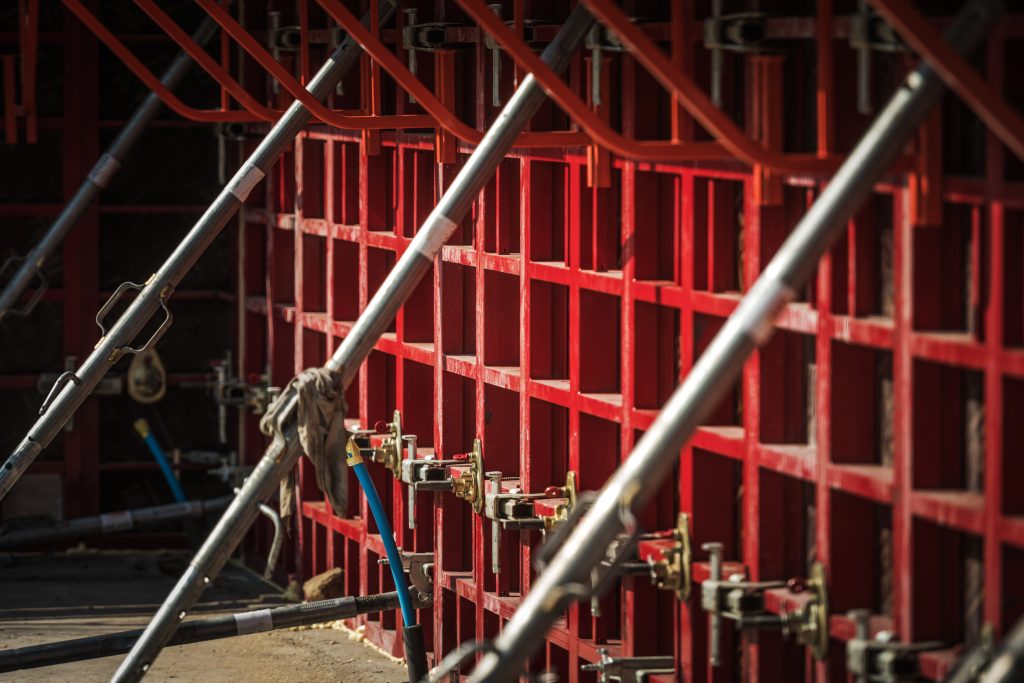
Modular formwork systems offer several advantages over traditional formwork methods, making them ideal for fast-track construction projects. These benefits extend beyond mere time savings, offering improvements in cost management, safety, and project quality, which collectively contribute to more successful project outcomes.
Speed and Efficiency
One of the most significant benefits of modular formwork systems is their ability to speed up the construction process. The standardized panels allow for quick assembly and disassembly, reducing the time required for formwork setup and removal. This efficiency translates to shorter project timelines and reduced labor costs. The rapid turnover enabled by modular systems means that construction teams can move swiftly from one phase to the next, keeping the project on schedule.
In addition to saving time, modular formwork enhances the predictability of project timelines. The reduced variability in assembly and disassembly times allows project managers to plan more accurately, reducing the risk of delays. This reliability is especially beneficial in large-scale projects where time is a critical factor, ensuring that milestones are met and resources are allocated efficiently.
Cost-Effectiveness
Modular formwork systems can lead to significant cost savings. The reusability of the panels means that they can be used for multiple projects, reducing the need for new materials. Additionally, the speed and efficiency of modular systems can lower labor costs and improve overall project profitability. The initial investment in a modular formwork system is quickly offset by the savings in material costs and reduced labor hours.
Furthermore, modular systems minimize waste, contributing to cost savings and environmental sustainability. By reducing the need for custom-built forms, there is less material waste, and the reusability of components means fewer resources are consumed over the life of the formwork. These cost benefits make modular formwork an attractive option for both small and large-scale construction projects.
Improved Quality and Safety
The use of standardized panels ensures consistent quality across the entire construction project. This consistency reduces the likelihood of defects and enhances the structural integrity of the finished building. Furthermore, modular formwork systems often come with built-in safety features, such as secure locking mechanisms and stable support structures, reducing the risk of accidents on-site. The focus on safety not only protects workers but also contributes to the longevity and resilience of the constructed structures.
The precision and uniformity inherent in modular systems also enhance the aesthetic quality of the finished product. With fewer imperfections and a more consistent finish, these systems contribute to the visual appeal and marketability of the final construction. The integration of safety features further emphasizes the comprehensive benefits of adopting modular formwork, making it a prudent choice for any construction project.
Prefabricated Formwork A Game Changer in Construction
Prefabricated formwork is a key component of modular formwork systems. These prefabricated elements are manufactured off-site, allowing for greater control over quality and precision. The off-site production environment ensures that components meet exact specifications, reducing the likelihood of errors and enhancing the overall quality of the construction process.
Advantages of Prefabricated Formwork
Prefabricated formwork offers numerous advantages over traditional methods. By manufacturing components off-site, construction teams can ensure high-quality products that fit together seamlessly. This precision reduces the need for on-site adjustments and accelerates the construction process. The ability to produce components in a controlled environment also allows for advanced testing and quality assurance, further enhancing the reliability of the construction process.
Moreover, prefabrication aligns with sustainable construction practices by reducing waste and optimizing resource use. The precision of prefabricated components means less material is wasted during installation, and the ability to reuse components across multiple projects further reduces environmental impact. These advantages make prefabricated formwork a compelling choice for projects focused on sustainability and efficiency.
Trends in Prefab Construction

Prefab construction is gaining traction in the industry, with more companies adopting these techniques to meet the demands of fast-track projects. The use of prefabricated formwork aligns with broader trends in modular construction, which prioritize efficiency, sustainability, and quality. As the construction industry continues to evolve, prefabrication is becoming a cornerstone of modern building practices.
The growing popularity of prefab construction is also driven by advancements in technology, which have made it easier to design, manufacture, and assemble prefabricated components. As digital tools and techniques become more sophisticated, the precision and efficiency of prefab construction are expected to improve even further. This trend is likely to continue as the industry seeks innovative solutions to address the challenges of contemporary construction demands.
Modular Construction: A Future-Focused Approach
Modular construction is revolutionizing the building industry by offering innovative solutions for complex projects. This approach emphasizes the use of modular components, such as formwork systems, to streamline the construction process. The focus on modularity reflects a broader industry shift towards more sustainable, efficient, and adaptable building methods.
The Role of Modular Formwork in Rapid Construction
Modular formwork systems play a crucial role in rapid construction techniques. By reducing the time required for formwork setup and removal, these systems enable construction teams to meet tight deadlines without compromising quality. The flexibility of modular systems allows them to be adapted to various project types, making them an essential tool for construction professionals seeking to optimize their workflows.
In addition to speed, modular formwork contributes to the overall quality and durability of construction projects. The precision of modular components ensures that structures are built to exact specifications, reducing the risk of defects and enhancing the longevity of the finished product. This dual focus on speed and quality is what makes modular formwork an indispensable part of modern construction practices.
Environmental Benefits of Modular Construction
Modular construction is not only efficient but also environmentally friendly. The use of prefabricated components reduces waste and minimizes the environmental impact of construction projects. Additionally, the speed and efficiency of modular systems can lead to lower energy consumption and reduced emissions. This environmental advantage is increasingly important as the construction industry faces growing pressure to reduce its carbon footprint.
The sustainability of modular construction extends beyond the construction phase, contributing to the overall lifecycle efficiency of buildings. Modular components can be designed for disassembly and reuse, promoting a circular economy within the construction industry. By embracing modular construction, companies can meet both their project goals and their environmental responsibilities.
Implementing Modular Formwork in Your Projects
To fully leverage the benefits of modular formwork systems, construction teams must understand the best practices for implementing these systems in their projects. Proper planning and execution are essential to maximize the advantages of modular formwork and achieve successful project outcomes.
Selecting the Right System
Choosing the right modular formwork system is critical to the success of a construction project. Consider factors such as the size and complexity of the project, the required timeline, and the available budget when selecting a system. An informed choice will ensure that the formwork system aligns with the project’s specific needs and objectives, optimizing performance and efficiency.
Collaboration with suppliers and manufacturers can also provide valuable insights into the capabilities and limitations of different formwork systems. By leveraging expert advice and industry knowledge, construction teams can make informed decisions that enhance project outcomes and contribute to long-term success.
Training and Support
Proper training and support are essential for maximizing the benefits of modular formwork systems. Ensure that your team is familiar with the assembly and disassembly processes, as well as any safety features included in the system. Comprehensive training programs can enhance productivity, reduce errors, and ensure a safe working environment for all team members.
Ongoing support from manufacturers and suppliers can also help address any challenges that arise during the implementation of modular formwork systems. By fostering strong partnerships and maintaining open lines of communication, construction teams can continuously improve their use of modular systems and achieve better project outcomes.
Continuous Improvement
As with any construction technique, continuous improvement is key to success. Regularly evaluate the performance of your modular formwork systems and seek feedback from your team to identify areas for enhancement. Embracing a culture of continuous improvement can lead to incremental gains in efficiency, quality, and safety, ultimately benefiting the entire construction project.
By staying informed about industry trends and innovations, construction professionals can ensure that they are using the most effective and up-to-date formwork systems available. This proactive approach to improvement can help construction teams stay competitive and deliver exceptional results for their clients.
Conclusion
Modular formwork systems are transforming the construction industry by providing efficient, cost-effective solutions for fast-track projects. By embracing these innovative systems, construction teams can meet the demands of today’s complex projects while maintaining high standards of quality and safety. The adaptability and precision of modular formwork make it an invaluable tool for construction professionals seeking to optimize their workflows and deliver successful projects.
As the industry continues to evolve, modular formwork systems will play an increasingly important role in shaping the future of construction. Whether you’re a contractor, architect, or project manager, understanding the benefits and best practices of modular formwork can help you stay ahead of the curve and deliver successful projects. Embracing modular construction techniques not only enhances project outcomes but also contributes to a more sustainable and efficient construction industry for future generations.

