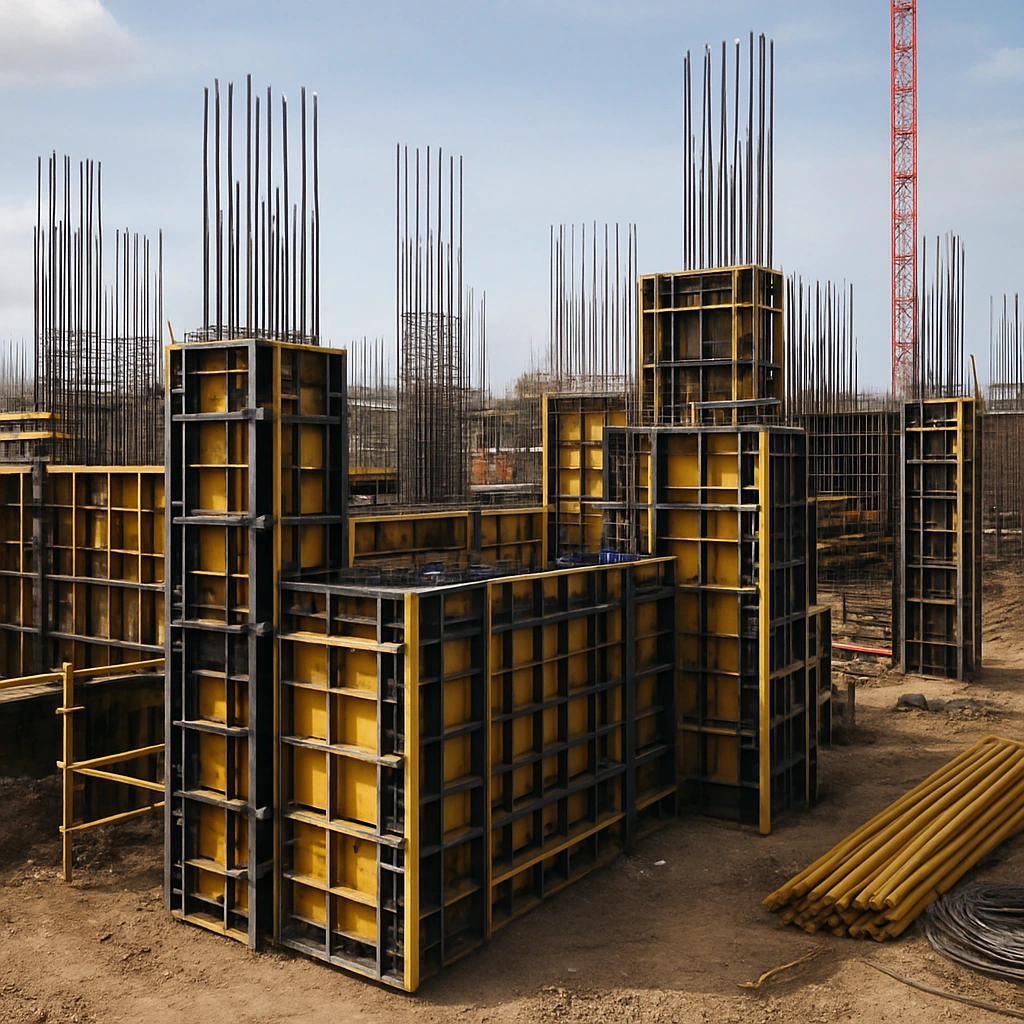
AI-powered formwork monitoring is a technological innovation that uses smart sensors and AI algorithms to oversee and manage the formwork process in concrete construction. This system enables real-time data collection and analysis, allowing for precise control and decision-making. By integrating AI into formwork monitoring, construction managers can obtain insights that were previously inaccessible, helping them to make informed decisions quickly. This not only accelerates the construction timeline but also reduces the likelihood of errors that could lead to costly reworks or structural failures.
The Role of Smart Sensors
Smart sensors are the backbone of AI construction monitoring. They provide real-time data on various aspects of the construction process, such as temperature, humidity, and pressure. By continuously collecting this data, they enable automated site inspection and ensure that any potential issues are identified and addressed promptly. These sensors can detect minute changes in environmental conditions that might otherwise go unnoticed, allowing construction teams to make adjustments on-the-fly and maintain optimal conditions for concrete curing. Furthermore, the integration of smart sensors into construction sites allows for the aggregation of data over time, providing valuable insights into long-term trends and helping to refine construction practices.
Benefits of AI in Construction
The use of AI in construction brings numerous benefits, including:
- Enhanced Safety: Construction safety sensors can detect potential hazards, ensuring that workers are alerted to dangers in real-time. This proactive approach can significantly reduce the occurrence of accidents, fostering a safer working environment.
- Increased Efficiency: Automated processes reduce the time and labor required for manual inspections. With AI, construction sites can operate with enhanced precision and speed, optimizing resource allocation and reducing overhead costs.
- Improved Quality: Intelligent formwork systems can predict potential issues before they occur, ensuring that the concrete is poured under optimal conditions. This predictive capability means that quality is built into the process from the start, reducing the need for post-construction repairs and adjustments.
How AI and IoT Are Transforming Formwork
The Internet of Things (IoT) plays a crucial role in AI formwork monitoring. By connecting smart sensors to a centralized system, IoT facilitates seamless data transfer and analysis. This interconnectedness ensures that data flows smoothly across different platforms and devices, enabling a holistic view of the construction site.
Real-Time Data and Predictive Maintenance
Real-time formwork sensors are vital for predictive formwork maintenance. They provide continuous updates on the condition of the formwork, allowing for proactive maintenance instead of reactive fixes. This reduces downtime and extends the life of the formwork. By using real-time data, construction managers can anticipate potential issues and schedule maintenance activities during off-peak times, minimizing disruptions. This approach not only improves the longevity of the formwork but also enhances the overall efficiency of the construction project.
Intelligent Formwork Systems
Intelligent formwork systems utilize data to optimize the construction process. They adjust the parameters of the formwork based on real-time data, ensuring that the concrete sets correctly and efficiently. This adaptability minimizes waste and maximizes resource use. By dynamically adapting to changing conditions, these systems ensure that resources are used effectively, reducing material waste and energy consumption. Additionally, intelligent formwork systems can be programmed to adapt to specific project requirements, providing customized solutions that meet the unique needs of each construction site.
The Impact of AI on Construction Safety

AI construction technology significantly enhances safety on construction sites. By analyzing data from construction safety sensors, AI can predict potential accidents and alert workers to take preventive measures. This proactive approach to safety allows for the identification of risks before they manifest as incidents, thereby protecting workers and minimizing disruptions to the construction schedule.
Reducing Human Error
AI formwork monitoring reduces the likelihood of human error by automating routine inspections and data analysis. This ensures that potential issues are identified early, reducing the risk of accidents and improving overall site safety. By automating these processes, human workers are freed from mundane tasks, allowing them to focus on more complex aspects of construction that require human intuition and expertise. This balance between human skill and AI precision creates a more efficient and safer construction environment.
Enhancing Worker Safety
By providing real-time alerts and predictive insights, construction AI tools help maintain a safer work environment. Workers can focus on their tasks without constantly worrying about potential hazards. This peace of mind enhances productivity and morale, as workers feel more secure in their environment. Furthermore, AI tools can analyze patterns and trends over time, providing insights into areas that may require additional safety measures or training, thereby continuously improving the safety culture on construction sites.
Implementing AI Construction Monitoring
Implementing AI-powered formwork monitoring involves several steps. These steps ensure that the technology is not only adopted but also effectively integrated into existing workflows, maximizing its impact on construction projects.
Choosing the Right Technology
Selecting the appropriate construction AI tools is crucial for successful implementation. Consider factors such as the type of construction, the specific needs of your project, and the compatibility of the technology with existing systems. It’s essential to evaluate the scalability of the technology, ensuring that it can grow and adapt alongside your project needs. Additionally, understanding the vendor’s support and training offerings can play a critical role in the successful deployment and operation of AI systems.
Training and Integration
Once the technology is selected, it’s essential to train workers on its use and integrate it seamlessly into the construction process. This involves setting up smart sensors, configuring AI algorithms, and ensuring that all team members understand how to interpret the data. Training should be comprehensive and ongoing, equipping workers with the skills they need to operate the new systems confidently. Integration efforts should focus on aligning AI tools with existing workflows, minimizing disruptions and maximizing the benefits of the new technology.
Continuous Monitoring and Improvement
AI construction monitoring is not a one-time setup. It requires continuous monitoring and improvement to ensure optimal performance. Regularly update software, recalibrate sensors, and analyze data trends to enhance the system’s effectiveness. This iterative approach ensures that the technology remains relevant and continues to deliver value over time. By fostering a culture of continuous improvement, construction teams can leverage AI to drive innovation and excellence in their projects.
Future of AI in Concrete Construction
The future of AI in concrete construction is promising. As technology advances, we can expect even more sophisticated AI tools and intelligent formwork systems. These innovations will continue to improve efficiency, safety, and quality in construction. The construction industry stands on the brink of a digital revolution, with AI poised to play a pivotal role in reshaping traditional methodologies and driving future developments.
Emerging Trends
Several trends are shaping the future of AI-powered formwork monitoring:
- Advanced Analytics: The use of advanced analytics will enable more precise predictions and adjustments in the construction process. Predictive analytics will become increasingly sophisticated, allowing for real-time adaptation to evolving site conditions.
- Integration with Other Technologies: AI will increasingly integrate with other technologies, such as augmented reality and robotics, to further enhance construction processes. This convergence will create a more cohesive and efficient construction ecosystem, where various technologies work in harmony to deliver superior results.
- Sustainability Focus: AI will play a significant role in promoting sustainability by optimizing resource use and minimizing waste. As environmental concerns become more pressing, AI’s ability to optimize processes and reduce waste will become an invaluable asset in the pursuit of sustainable construction practices.
Challenges and Opportunities
While AI offers numerous benefits, it also presents challenges, such as high initial costs and the need for skilled personnel. However, these challenges are outweighed by the opportunities for improved efficiency, safety, and quality. As the technology matures and becomes more accessible, the barriers to entry will decrease, making it easier for construction companies of all sizes to harness AI’s potential. Embracing these opportunities requires a forward-thinking approach and a willingness to invest in the future of construction.
Conclusion
AI-powered formwork monitoring is revolutionizing concrete construction. By leveraging smart sensors, AI algorithms, and IoT, this technology enhances safety, efficiency, and quality. As the construction industry continues to embrace digital transformation, AI will play an increasingly vital role in shaping the future of construction. The journey towards smarter, safer, and more efficient construction practices is just beginning, and those who embrace these innovations stand to gain a competitive edge.
Embrace the change and explore how AI-powered formwork monitoring can benefit you construction projects today. By doing so, you position yourself at the forefront of a technological revolution that promises to transform the construction landscape for the better.