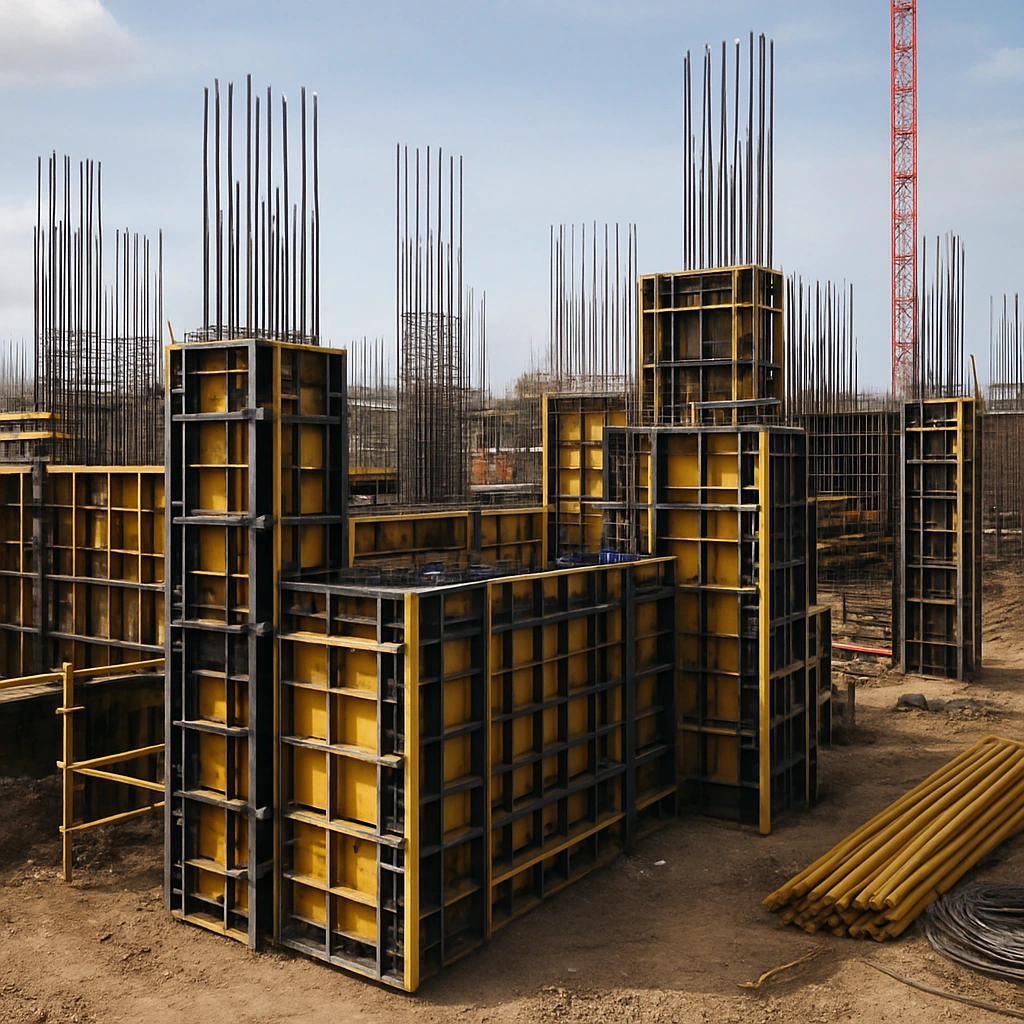
Concrete formwork involves the use of temporary or permanent molds to hold poured concrete in place until it solidifies. This method is crucial in constructing strong, durable structures that can withstand various stresses over time. Properly executed formwork can lead to substantial cost savings and improved construction timelines, making it a vital aspect of any building project.
Understanding the different types of concrete formwork and their applications is essential for selecting the right one for your project. Each type of formwork has its own set of advantages and is suited to specific construction needs. By familiarizing yourself with these options, you can make informed decisions that will enhance the quality and efficiency of your construction endeavors.
Types of Concrete Forms
- Premade Concrete Forms: These forms are manufactured and ready for immediate use, allowing for quick assembly on-site. They are perfect for projects with tight schedules and are available in various sizes to accommodate different construction requirements. The convenience of premade forms can lead to a faster turnaround time and reduced labor costs.
- Concrete Foundation Forms for Sale: Specifically designed for foundation work, these forms provide the necessary support to create stable and level foundations. Their robust design ensures that the foundation remains secure during the curing process, preventing any potential shifts or defects that could compromise the structure.
- Basement Concrete Forms: Primarily used in residential constructions, basement concrete forms are essential for creating strong basement walls that support the entire structure above. These forms are designed to withstand the pressure of the surrounding soil and ensure a dry, secure basement environment.
- Metal Concrete Forms: Known for their durability and reusability, metal forms are an excellent choice for projects requiring high precision and strength. Metal forms can be reused multiple times without losing their shape or structural integrity, making them a cost-effective solution for large-scale projects.
- Cement Wall Forms: Specially designed to hold cement in place as it cures, cement wall forms ensure a smooth finish on the final product. These forms are crucial for achieving a professional appearance and maintaining the structural integrity of the walls.
Essential Tools for Concrete Formwork

Concrete Form Panels
Concrete form panels are the backbone of any formwork project, providing the structure necessary to shape and support the concrete. These panels are available in various materials, including wood, steel, and plastic, each offering unique benefits depending on the project’s specific requirements.
- Steel Concrete Forms for Sale: Steel panels are renowned for their strength and longevity. They can withstand repeated use, making them a cost-effective option for large-scale projects. The durability of steel forms ensures consistent results, even under demanding conditions.
- Concrete Formwork Panels: Typically made of plywood or metal, these panels are used to create the walls and foundations of buildings. Their versatility makes them suitable for a wide range of applications, from residential to commercial construction.
Fastening and Support Tools
Proper fastening and support are crucial for maintaining the integrity of the concrete formwork. Without adequate support, the forms may shift or collapse, compromising the quality of the finished product. Here are some indispensable tools for ensuring stability:
- Foundation Wall Forms: Used to support the walls during the concrete pouring process, foundation wall forms ensure they remain steady and aligned. This alignment is critical for the structural integrity of the building and prevents potential issues down the line.
- Concrete Form Ties: These are used to hold the form panels together, preventing them from bulging out due to the pressure of the wet concrete. Form ties are essential for maintaining the shape and stability of the formwork during the curing process.
- Bracing: Used to support the forms and keep them in place, bracing is especially important for taller structures. Proper bracing prevents movement and ensures that the forms retain their shape throughout the construction process.
Pouring and Finishing Tools
Once the formwork is in place, the next step is to pour and finish the concrete. Achieving a flawless finish requires the right tools and techniques. Here are some tools that will help you achieve a perfect finish:
- Concrete Vibrators: These tools help remove air bubbles from the wet concrete, ensuring a smooth and even surface. By eliminating air pockets, vibrators enhance the strength and durability of the concrete.
- Trowels and Floats: Used for finishing the surface of the concrete once it has been poured and set, trowels and floats help achieve a smooth, professional look. These tools are essential for achieving a polished finish and ensuring the concrete’s surface is even and defect-free.
- Curing Blankets: Used to cover the concrete and keep it warm, curing blankets help the concrete cure properly and gain strength. Proper curing is vital for the concrete’s long-term performance and durability, making curing blankets an important tool in the finishing process.
Buying and Renting Concrete Forms

When it comes to acquiring concrete forms, you have the option to either buy or rent them. The decision depends on the scale of your project, your budget, and your long-term construction plans. Both options have their own set of advantages, and understanding these can help you make the best choice for your needs.
Buying Concrete Forms
Buying concrete forms can be a wise investment, particularly if you plan on using them for multiple projects over time. Here are some considerations and options for purchasing forms:
- Concrete Forms for Sale: Available from various suppliers, these forms come in different materials and sizes to meet your specific needs. Purchasing forms allows you to have immediate access to the tools you need, reducing delays and ensuring consistency across projects.
- Metal Concrete Wall Forms: These durable forms can be reused multiple times, making them a cost-effective choice for long-term projects. Their strength and reusability make them ideal for contractors who frequently undertake large-scale construction work.
- Foundation Forms for Sale: Ideal for those who frequently work on foundation projects, owning these forms can save time and money in the long run. By having your own set of foundation forms, you can streamline your workflow and reduce the dependency on external suppliers.
Renting Concrete Forms
If you have a one-time project or limited storage space, renting concrete forms might be the better option. Renting allows you to access high-quality forms without the commitment of a purchase. Many companies offer rental services for a wide range of formwork panels and accessories, providing flexibility and convenience.
Renting forms is particularly advantageous for smaller projects or when trying out different types of formwork before making a purchase decision. It allows you to evaluate the performance and suitability of different forms without a significant upfront investment.
Tips for Successful Concrete Formwork Projects
Successfully completing a concrete formwork project requires careful planning and execution. Attention to detail and adherence to best practices can make the difference between a successful build and a costly setback. Here are some tips to ensure your project runs smoothly:
Plan Thoroughly
Before starting your project, ensure you have a detailed plan that includes all the necessary materials and tools. A comprehensive plan helps avoid any last-minute issues and keeps your project on track. Consider the scope of your project, the specific requirements of the formwork, and any potential challenges that may arise.
Invest in Quality Materials
Using high-quality materials for your formwork is crucial for achieving a durable and stable structure. Don’t compromise on the quality of your concrete form panels and other essential tools. Investing in quality materials not only enhances the outcome of your project but also reduces the likelihood of defects and repairs.
Ensure Proper Alignment
Make sure your formwork is properly aligned and supported before pouring the concrete. Proper alignment prevents any structural issues and ensures a smooth finish. Take the time to double-check measurements and positioning, as even minor misalignments can have significant consequences.
Monitor the Curing Process
Proper curing is essential for the strength and durability of the concrete. Keep an eye on the weather conditions and use curing blankets if necessary to ensure the concrete cures properly. Monitoring the curing process helps prevent cracks and weaknesses, ensuring the longevity of the structure.
Conclusion
Concrete formwork is an integral part of any construction project, and having the right tools and materials is key to success. Whether you choose to buy or rent your forms, ensure they meet the specific needs of your project. By planning thoroughly and investing in quality materials, you can achieve excellent results and create structures that stand the test of time. Proper execution of formwork not only enhances the durability and appearance of the structure but also contributes to the overall efficiency and success of your construction endeavors.